Premium domains cost more than regular domains because they’re scarce, they carry built-in value, and the market prices them on supply and demand.
While a regular domain is a name nobody has claimed yet, a premium domain is a name someone already recognizes, remembers, or wants badly enough to pay for.
Not all premium domains are valued the same, though. A short one-word .com can cost millions, while a registry premium name might cost less than a hundred dollars.
The difference comes down to who’s selling it, how rare it is, and what the market says it’s worth.
You’ll find premium domains in registries that reserve valuable names and sell them at a premium, aftermarket platforms where owners list domains for sale, brokers who handle high-value deals, and auctions where buyers compete for the same name.
To show you how high the ceiling goes, here are the top five most expensive premium domain sales publicly reported:
| Premium domain | Cost |
| ai.com | $70 million |
| voice.com | $30 million |
| 360.com | $17 million |
| chat.com | $15.5 million |
| NFTs.com | $15 million |
What Determines Premium Domain Costs?
1) Domain Length
Shorter domains are rarer, and rarity drives price. Only so many one-, two-, and three-letter combinations exist in any given extension. Most of them are already taken.
A three-character .com domain is essentially a collector’s item at this point. The shorter the name, the fewer alternatives exist, and the more businesses are competing for that tiny pool of options.
That’s why a two-letter domain can command a price that seems completely disconnected from the length of the string you’re buying.
2) Extension
Even in 2026, the .com extension is the gold standard. It’s the one people type by default when they’re guessing a website address.
It features a sense of legitimacy and permanence that other extensions haven’t quite matched.
That’s not to say other extensions are worthless. In tech circles, .io and .ai have gained serious value.
A .ai domain signals that you’re in the artificial intelligence space, and with AI being one of the hottest industries right now, those domains have seen their prices climb.
A .io domain carries similar weight for startups and developer tools.
But when you’re comparing the same name across extensions, the .com version will almost always be the most expensive.
3) Keyword Value
Some words are worth more because of what they represent. Commercial intent keywords are the ones people type when they’re ready to spend money.
Words related to finance, insurance, and legal services are consistently expensive because those industries have high customer values.
A domain containing a word like “insurance,” “loan,” or “attorney” is valuable because the business that owns it can generate significant revenue from the traffic it attracts.
The keyword itself does a lot of the marketing work before anyone even clicks through to your site.
4) Memorability & Brandability
A domain that’s easy to spell, easy to say out loud, and easy to remember is worth more than one that requires explanation.
If you have to spell it out for someone over the phone, it’s losing value. The best premium domains are generic enough to fit multiple businesses but distinctive enough to stick in someone’s mind.
They don’t box you in; they give you room to grow, pivot, or rebrand without changing your web address.
5) Search Volume
Domains that match high-volume search terms carry extra weight because they come with built-in traffic potential.
If thousands of people search for a specific term every month, owning the exact-match domain gives you a direct line to that audience.
Even if you’re not relying on search engines for traffic, the type-in traffic alone can be valuable. People guess domain names.
If they guess yours correctly, that’s free visitors you didn’t have to pay for.
6) Market Demand
Prices aren’t set in a vacuum. Industry trends push domain values up and down. When AI became the dominant tech story, .ai domains and AI-related keywords surged in price.
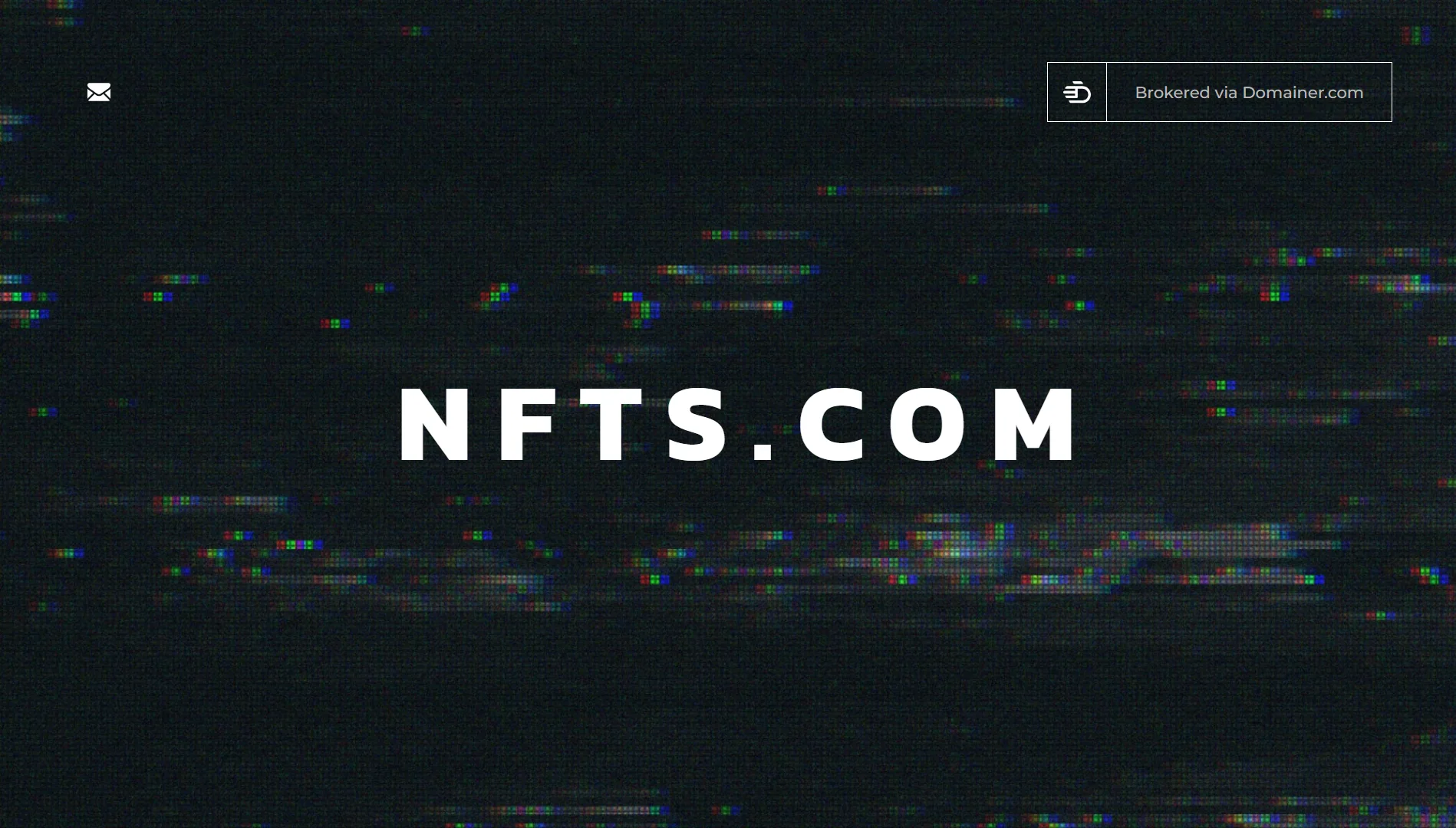
When NFTs were everywhere, NFTs.com sold for $15 million. Auctions and broker negotiations also create competition. If two buyers want the same name, the price goes up.
If a domain sits unsold for months, the seller might become more flexible. Demand is the wildcard that can make a domain worth far more or far less than its technical characteristics might suggest.
7) Comparable Sales
When you’re trying to figure out what a domain is worth, the best starting point is what similar domains have sold for recently.
Tools like NameBio track publicly reported domain sales, and those records become benchmarks.
If a three-letter .com sold for $200,000 last month, a seller with a similar name will point to that sale when setting their price.
Buyers use the same data to argue that a price is too high. Comparable sales keep the market grounded, at least somewhat, in reality.
Are All Premium Domains Expensive?
No, the word “premium” means two very different things, and the price difference between them can be enormous.
Registry premium domains are names the registry itself has marked as high-value before anyone registers them.
The registry sets the price, and every registrar passes that price along. Some of these are surprisingly affordable, often in the tens of dollars or low hundreds.
Others can run into the thousands. The important thing to know is that registry premium domains often come with premium renewal fees.
You don’t just pay more upfront; you pay more every year you keep the domain.
Market premium domains are already owned by someone, and that person is selling them on the aftermarket. These are priced by the seller, not the registry.
They can be modestly priced or astronomically expensive, depending on what the seller thinks the name is worth.
The good thing is that aftermarket domains typically renew at standard rates once you own them. You pay the premium once, and then your annual renewal is normal.
Some premium domains sell for under $100. Others sell for millions. The price depends entirely on which category the domain falls into, who’s selling it, and how motivated they are.
And yes, renewal costs can be very different from registration costs. Always check both before you commit.
Benefits of Buying a Premium Domain
- Instant credibility and trust. A short, clean, authoritative domain signals that you’re a serious operation. People trust a name that looks established.
- Stronger brand recognition. A memorable domain sticks in people’s minds and makes word-of-mouth sharing easier. It becomes part of your identity.
- Better SEO and type-in traffic. Exact-match keywords and short, guessable names bring in visitors who type your address directly. That’s traffic you didn’t have to pay for.
- Easier to remember and share. If someone hears your domain once and can find you later, that’s a win. Complicated names lose that advantage.
- Higher resale value. Premium domains tend to hold their value or appreciate. They’re an asset, not just an expense.
- Saves time and ad spend on marketing. A good domain does some of the branding work for you. You spend less effort teaching people your name.
How to Avoid Overpaying For Premium Domains
- Compare prices across registrars and aftermarket platforms. The same domain might be listed in multiple places at different prices. A few minutes of comparison can save you real money.
- Check comparable sales on NameBio before negotiating. Knowing what similar domains have sold for gives you leverage. You can argue from data instead of guessing.
- Verify if it’s registry premium vs. market premium. This changes everything about renewal costs and negotiation room. Registry prices are fixed. Aftermarket prices can sometimes be discussed.
- Confirm renewal fees, not just the registration price. A cheap registration with a painful renewal will cost you more over time. Ask for the full picture.
- Use a broker for high-value purchases. If you’re spending serious money, a broker who knows the market can protect you from costly mistakes.
- Set a budget ceiling and walk away if exceeded. Emotional bidding is how people overpay. Decide your maximum before you start negotiating.
- Consider alternative extensions or slight name variations. Sometimes a .co or a .io version of the name you want costs a fraction of the .com and serves your purposes just as well.
- Check domain history for spam or penalties. A domain with a bad past can carry baggage that hurts your SEO and reputation. Do a quick background check.
Buy a Premium Domain for Your Business
You’ve seen what a premium domain can do; the credibility, the traffic, the brand recognition. Now it’s your turn to own one.
At Truehost, we make securing your perfect name fast, affordable, and hassle-free.
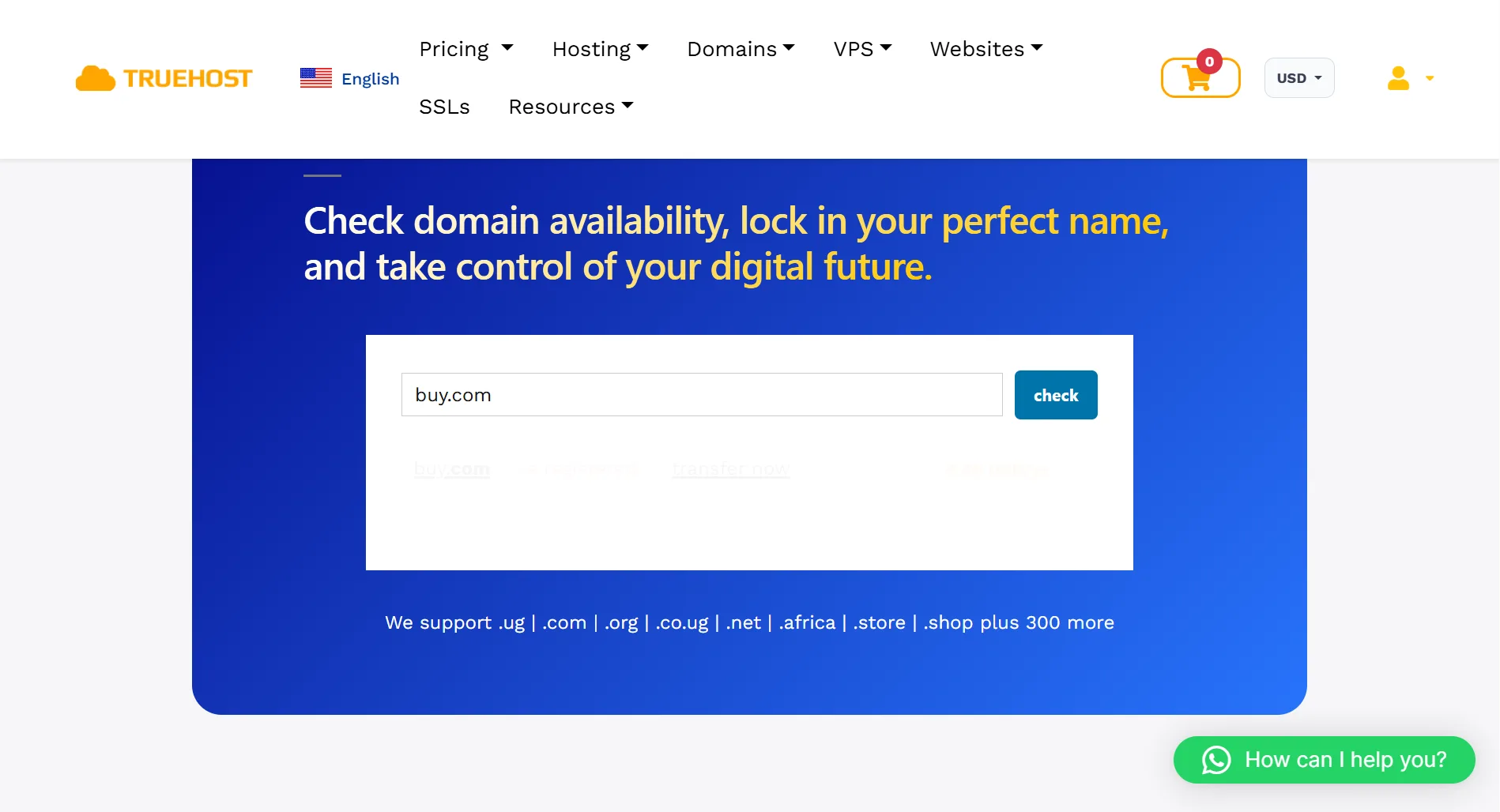
Check availability, lock in your domain, and take control of your brand today. We support .ug, .com, .org, .co.ug, .net, .africa, .store, .shop, and over 300 more extensions.
For Ugandans, Truehost offers:
- Local-first selection – Pick .ug for a proudly Ugandan identity or .com for wider reach. Mix and match to fit your brand.
- Affordable pricing – We offer some of the lowest domain rates in Uganda, with regular deals on registrations and renewals.
- Fast and secure – Your domain locks in instantly, renews automatically, and stays protected with top security.
- Professional support – First-time buyer or managing a portfolio? Our team is here to help.
- Business-ready add-ons – Connect hosting, email, or a website builder with one click.
Getting started takes just a few minutes. Search for your preferred name, pick your extension, and complete checkout with Mobile Money, bank transfer, or card.
You’ll get instant confirmation, and your domain is live and ready to use right away.
Don’t wait while someone else grabs your name. Find and secure your premium domain with Truehost today.
