Choosing between object storage and web hosting depends on whether you need a platform to run your website or a scalable service to store and deliver files.
Web hosting provides server resources to execute code such as PHP and Node.js, connect to databases, and generate website pages.
Object storage, such as Amazon S3 and Cloudflare R2, stores files as individual objects and delivers them through APIs or direct links.
While web hosting runs your website or application, object storage keeps your files accessible without executing application code.
The two can also work together, with web hosting handling your website and object storage managing images, videos, backups, and user uploads.
Side-by-Side Comparison
| Dimension | Web Hosting | Object Storage |
| Primary purpose | Run websites and applications | Store and retrieve large amounts of data |
| Data structure | Files and folders on a file system | Objects stored in buckets |
| Access method | Web servers, FTP/SFTP, and control panels | HTTP APIs, SDKs, and signed URLs |
| Scalability | Depends on the hosting plan and server resources | Designed to scale as storage needs grow |
| Performance | Supports application execution and frequent file operations | Suitable for storing and transferring large files |
| Dynamic content | Supports server-side code and databases | Does not execute application code |
| Cost model | Usually monthly or annual hosting plans | Usage-based billing |
| Management | Depends on the hosting type and provider | Provider manages the storage infrastructure |
| Ideal uses | Websites, databases, and applications | Media files, backups, archives, and user uploads |
| Durability | Depends on the provider’s infrastructure and backup arrangements | Designed for high durability through redundant storage |
1) Purpose
Web hosting provides the environment needed to run a website or application. It supplies server resources such as CPU, RAM, storage, and software that process requests from visitors. For example, a WordPress website needs hosting to execute PHP code, connect to its database, and display pages.
Object storage is designed to store and retrieve unstructured data. This includes images, videos, audio files, documents, backups, and other digital assets. Instead of running applications, it keeps files available for applications and users to access.
For example, an online store can use web hosting to run its website and object storage to keep product images and downloadable files.
2) Data Structure
Web hosting typically uses a file system that organizes data into directories and subdirectories. You can create folders, upload files, and manage website content through a control panel or FTP/SFTP client.
Object storage uses a different structure. It stores data as individual objects inside containers called buckets. Each object contains the file itself, metadata, and a unique identifier called an object key.
Object storage does not use a traditional folder hierarchy. What looks like folders in an Amazon S3 dashboard is usually a way of grouping objects through naming prefixes.
This structure makes object storage suitable for managing large collections of files without relying on a traditional directory system.
3) Access Method
Web hosting allows you to manage website files through a control panel, FTP/SFTP, or command-line tools. Visitors access website content through a web server using a browser.
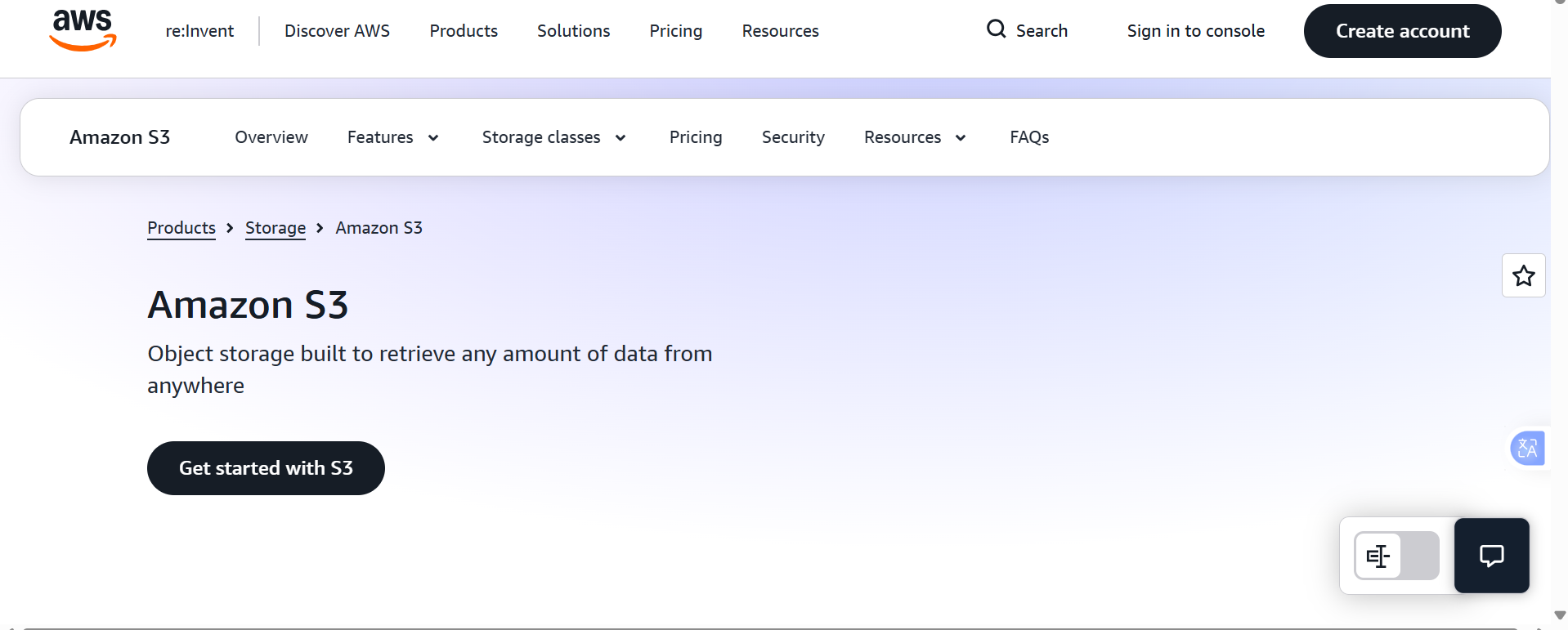
Object storage is accessed through application programming interfaces (APIs), software development kits (SDKs), and HTTP requests. Developers can also generate signed URLs that allow users to access specific files for a limited period without making an entire storage bucket public.
For example, an application can use an S3-compatible API to upload customer documents to Cloudflare R2 or Amazon S3.
The difference is that web hosting provides an environment for managing and running a website, while object storage provides programmatic access to stored files.
4) Scalability
Web hosting scalability depends on the resources available in your hosting plan. If your website attracts more visitors or requires additional storage, you may need to upgrade to a plan with more CPU, RAM, or disk space.
On a VPS, you can increase resources by upgrading your server. However, the available capacity still depends on the underlying infrastructure.
Object storage is designed to handle growing amounts of data without requiring you to purchase and configure additional storage devices. You can add more objects as your storage requirements increase.
This makes it suitable for businesses managing large media libraries, customer uploads, and backups. However, storage limits, request rates, and account restrictions may still apply depending on the provider.
5) Performance
Web hosting supports the operations required to run websites and applications. It handles database queries, executes scripts, processes user requests, and retrieves website files.
Object storage is optimized for storing and retrieving individual objects, particularly large files. It works well for delivering videos, images, documents, and backups.
However, object storage is not designed to replace a database or application disk. Its API-based access model and object operations make it less suitable for workloads that require frequent, low-latency updates to small pieces of data.
For example, a WordPress website should use a database and suitable server storage for its application files rather than trying to run its database directly from object storage.
6) Dynamic Content
This is one of the biggest differences between web hosting and object storage.
Web hosting supports dynamic content because it can execute server-side code and connect to databases. Platforms such as WordPress, Joomla, and custom PHP applications need these capabilities to generate pages and process user requests.
Object storage does not execute PHP, Python, or other server-side application code. It stores and delivers files as objects.
However, you can use object storage to host static website files, including HTML, CSS, JavaScript, images, and downloadable documents. A static website does not need server-side code to generate its pages.
If you are building a dynamic website with user accounts, payment processing, or database-driven content, you need web hosting or another application hosting environment.
7) Cost Model
Web hosting providers generally charge monthly or annually for a package with allocated resources. The price depends on the hosting type, storage capacity, bandwidth, and additional features.
Object storage uses a pay-as-you-go pricing model. Providers typically charge based on:
- Storage: The amount of data stored and how long it remains in storage.
- Requests: The number and type of operations performed, such as uploading, listing, and downloading objects.
- Data transfer: The amount of data transferred out of the storage service.
- Retrieval fees: Additional charges that may apply when accessing data in certain storage classes.
For example, Amazon S3 charges for storage, requests, and applicable data transfers.
Cloudflare R2 does not charge for internet egress, although storage and operation charges still apply.
Therefore, compare the full pricing structure before selecting an object storage provider. A low storage price does not necessarily mean a low total bill, especially when your application handles many requests or transfers large amounts of data.
8) Management
The management responsibilities depend on the type of web hosting you use.
With shared hosting, the provider manages the server infrastructure, operating system, and much of the server maintenance. With a VPS, you may be responsible for installing software, applying security updates, managing the operating system, and configuring server security. Managed VPS hosting transfers some of these responsibilities to the provider.
Object storage is a managed service. The provider maintains the underlying storage infrastructure, so you do not need to manage physical disks or storage servers.
However, you are still responsible for configuring access permissions, encryption, retention policies, and other security settings. Incorrect permissions can expose sensitive files to unauthorized users.
Businesses that store customer information should also follow Uganda’s data protection requirements. See the Personal Data Protection Office for information about data privacy and compliance.
9) Best-Suited Data
Web hosting is suitable for website files, application code, databases, and other resources needed to run websites and applications.
Object storage is better suited to large collections of unstructured data, including:
- Images and videos: Store product images, photographs, videos, and media files.
- Backups: Keep copies of website files, databases, and application data.
- Archives: Store documents, historical records, and files that are not accessed frequently.
- User uploads: Manage files uploaded through applications, such as profile pictures and customer documents.
- Static assets: Store downloadable files, website images, and other resources delivered to visitors.
Separating application hosting from file storage can also reduce the amount of storage your application server needs.
10) Durability and Redundancy
Durability refers to the ability of a storage system to protect data against loss or corruption. Redundancy involves keeping additional copies of data to reduce the risk of losing it when hardware fails.
With web hosting, data protection depends on the provider’s infrastructure and the backup arrangements included in your plan. Some providers offer automated backups, redundant storage, and recovery options, while others require you to arrange backups separately.
Object storage services are designed to provide high data durability through redundant storage systems. For example, Amazon S3 Standard is designed for 99.999999999% data durability and stores data across a minimum of three Availability Zones by default.
However, durability does not mean that accidental deletion, incorrect permissions, or malicious changes are impossible. You should still configure versioning, retention policies, and separate backups where necessary.
Also, check the provider’s storage class. Some options use fewer availability zones to reduce costs and may offer different protection levels.
Which Is Right for You?
Web hosting and object storage serve different purposes. Your choice depends on what you need to run or store.
Web hosting is suitable if you:
- Want to run a website that needs server resources, databases, and application code.
- Use WordPress, Joomla, or another content management system.
- Need dynamic features such as user accounts, forms, and payment processing.
- Prefer a hosting provider to handle server maintenance and security.
Object storage is suitable if you:
- Need space for large collections of images, videos, documents, and other files.
- Manage applications that allow users to upload and download files.
- Need a separate location for website backups, archives, and application data.
- Want to store large files without filling up your main server.
You can also use both services together. For example, an online store can use web hosting for its website, database, customer accounts, and payments, while object storage keeps product images, videos, and downloadable files. This reduces storage demands on the main server as the website grows.
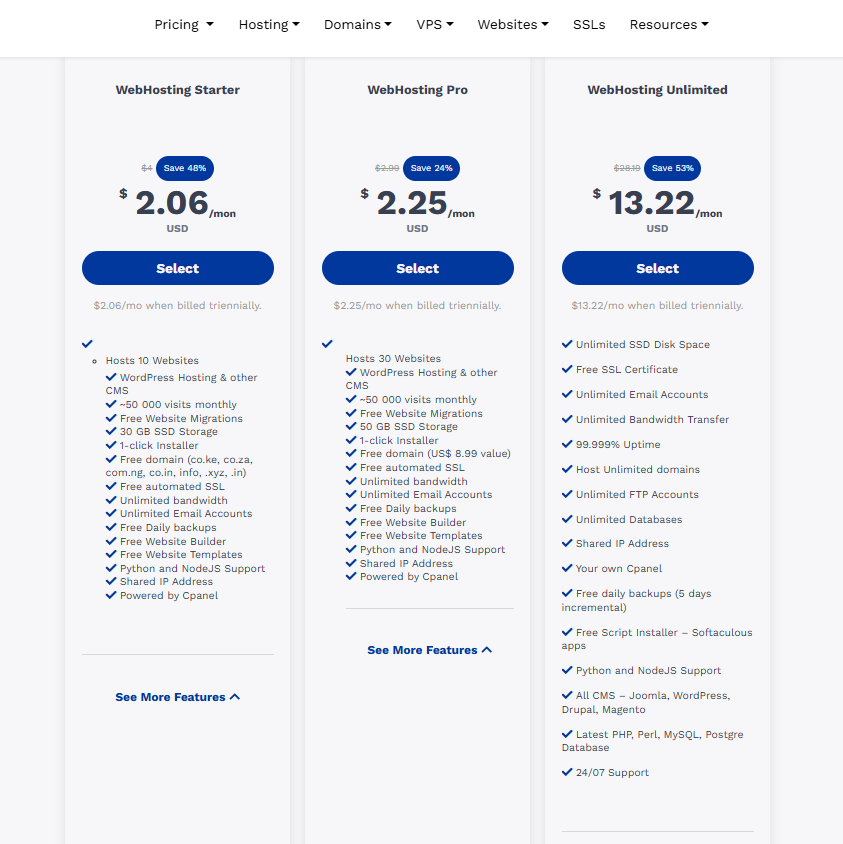
Web hosting runs your website, while object storage keeps your files accessible. If you need hosting for your website, check out Truehost Uganda’s web hosting plans and find a package that suits your needs.
