A good domain name can make a website easier to recognise, remember, and find online. However, finding an available domain that matches your brand or business idea is not always easy. Some desirable domain names are already registered, which means you may need to purchase them from their current owners or compete with other buyers through a domain auction.
Domain auction sites are online platforms where individuals and businesses can buy and sell registered domain names. They provide access to expired domains, premium domain names, and privately listed domains through bidding systems, fixed-price listings, or other purchasing arrangements. Each platform has different features, fees, bidding processes, and domain selection options.
This article explores five of the best domain auction sites, highlighting their features, advantages, and potential limitations. It also explains how to choose a suitable platform, participate in an auction, and avoid common mistakes when buying domain names.
Not sure the name you want is taken? Check domain availability with Truehost Uganda first. If it is free, you can register it at standard prices and skip the auction.
Quick Comparison of the 5 Best Domain Auction Sites
| Platform | Main Strength | Best For |
|---|---|---|
| GoDaddy Auctions | Large selection of domain listings | Buyers and sellers looking for established auction tools |
| Sedo | International domain marketplace | Premium domains and international buyers |
| NameJet | Expired and privately listed domains | Buyers interested in competitive domain auctions |
| DropCatch | Domains becoming available after expiration | Buyers targeting expiring domain names |
| Dynadot Marketplace | Auctions and aftermarket listings | Buyers looking for domain purchasing options |
Fees, membership rules, and bidding procedures change over time, so confirm current terms on each platform before you commit money.
5 Top Best Domain Auction Sites
1) GoDaddy Auctions
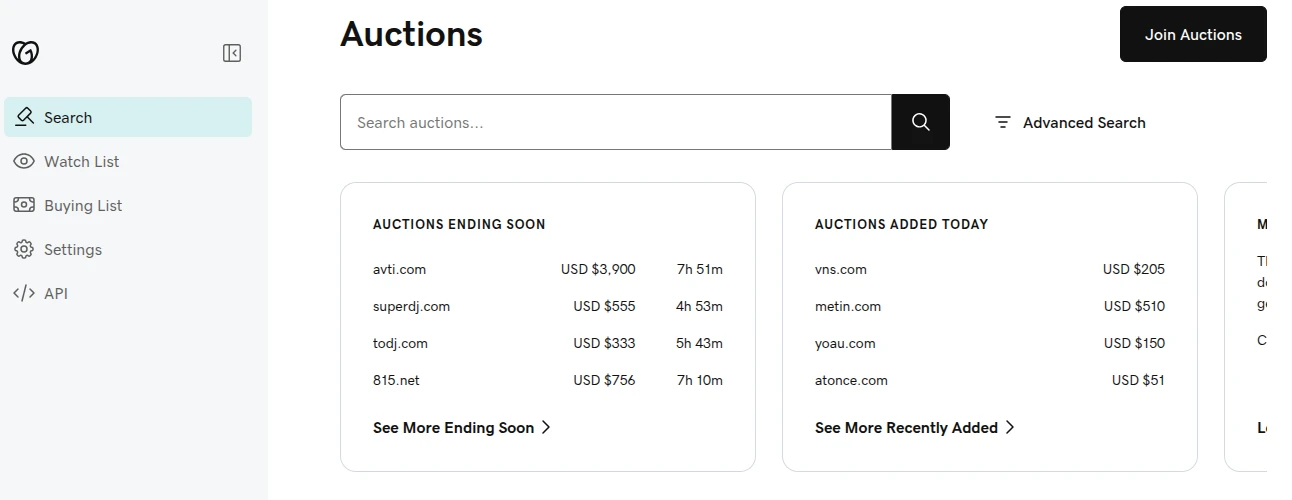
GoDaddy Auctions is an established aftermarket platform connected to GoDaddy’s registration services. It lists expired domains, privately listed domains, and auction listings, so one account gives you several routes to a name. Buyers can bid on auctions, and the search and filtering tools help you narrow listings by keyword, extension, price, or closing time.
Advantages:
The platform has a broad selection and familiar auction tools, and buyers already using GoDaddy for registration may find the delivery process easier to follow.
Limitations:
Membership requirements may apply for bidding, and fees or additional costs can come on top of the winning bid. Read the current terms before you take part.
Best for:
Buyers and sellers who want a recognised domain marketplace with established auction tools.
2) Sedo
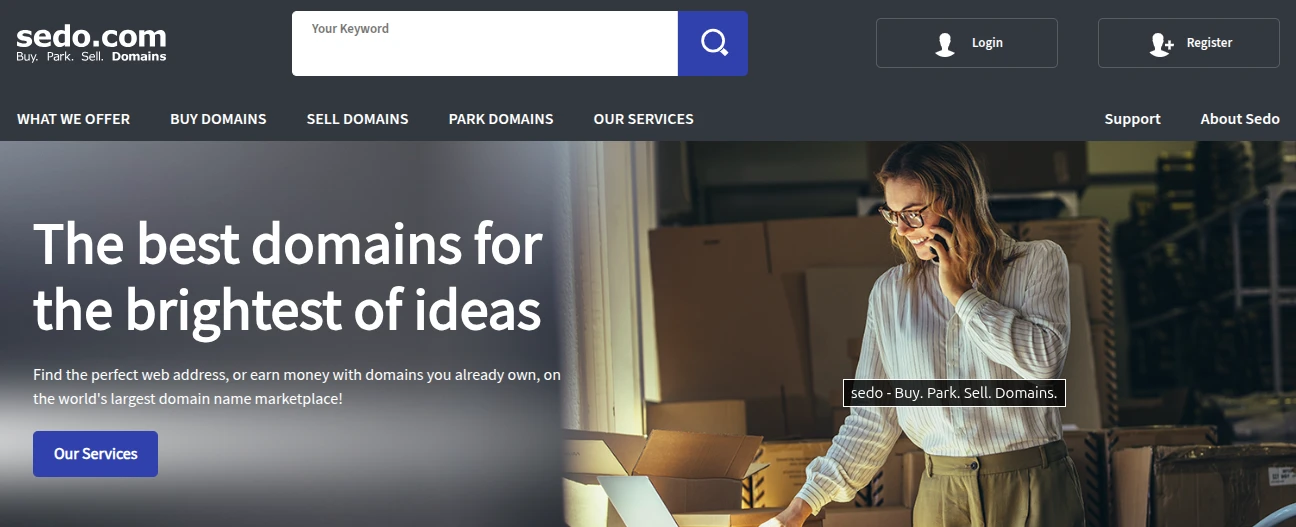
Sedo is an international domain marketplace that connects buyers and sellers. It supports auctions, fixed-price listings, and negotiation, and its listings cover names across many industries and extensions, including premium domains. Sedo also offers brokerage services for buyers who want a specific name that is not listed.
Advantages:
The international reach and the mix of sale formats suit buyers who want flexibility, especially for higher-value names.
Limitations:
Listing fees, commissions, and transaction costs can apply, and they affect what buyers pay and what sellers receive. Negotiated sales can also take longer than a quick auction.
Best for:
Buyers interested in premium and internationally listed domains.
3) NameJet
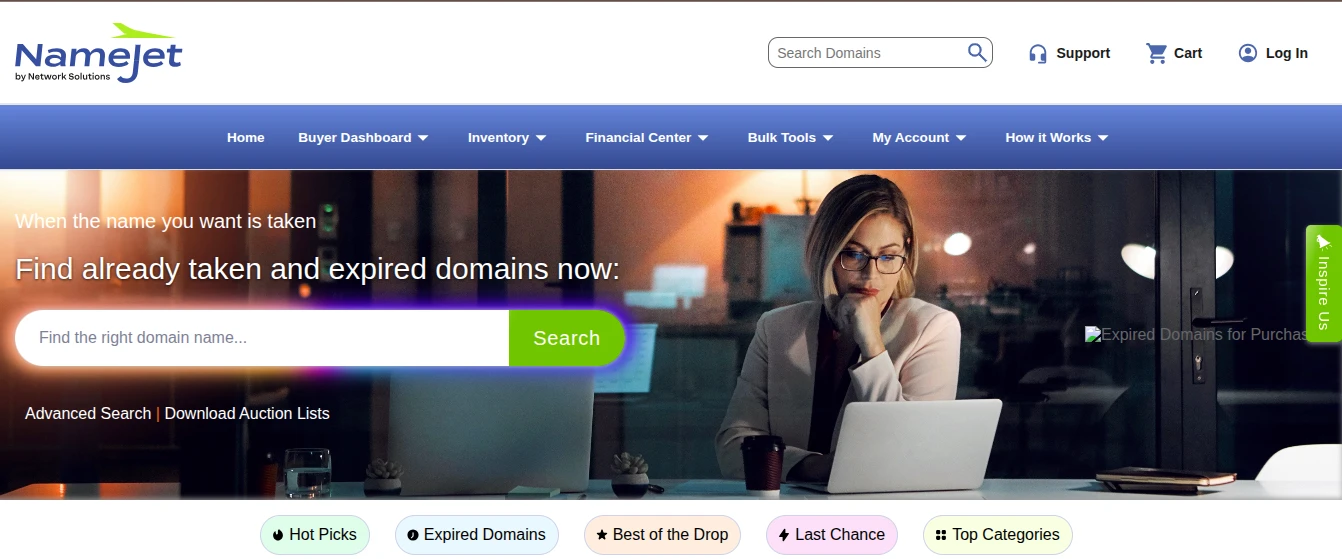
NameJet is an aftermarket platform that specialises in expired and privately listed domains. It offers access to pre-release domain names, which are names heading toward release after expiration, along with competitive auction listings. Buyers can use backordering to try to acquire a domain when it becomes available, and bidding lets interested buyers compete for selected names.
Advantages:
The focus on expiring and pre-release names makes it useful for buyers hunting specific domains that other platforms may not list.
Limitations:
Popular names draw heavy competition, so prices can rise quickly. Bidding rules and acquisition costs differ from ordinary registration, so read them carefully.
Best for:
Buyers interested in expired domains and competitive auctions.
4) DropCatch
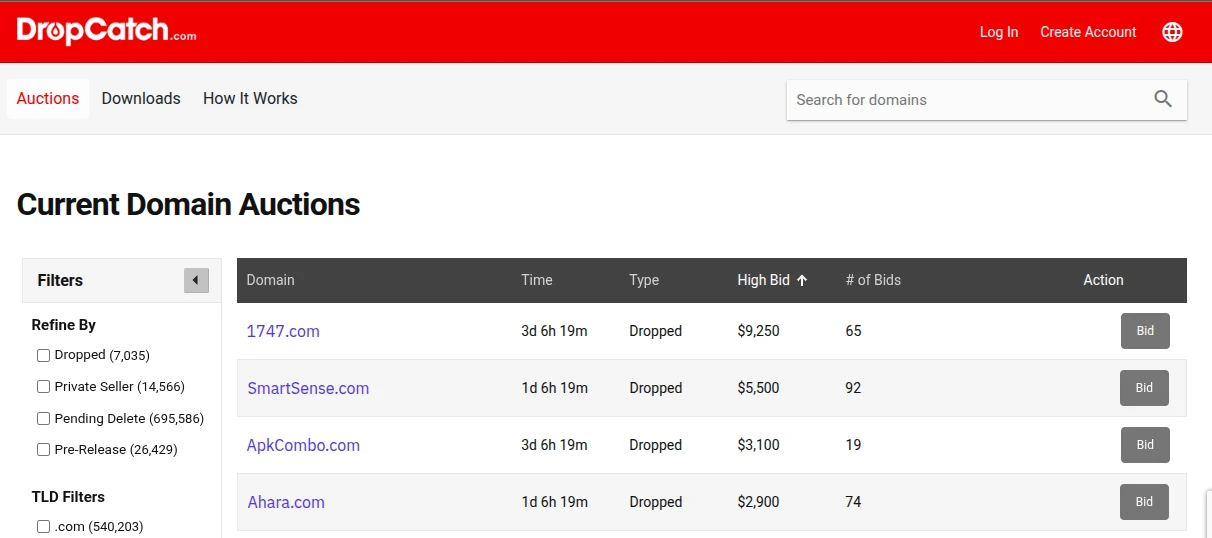
DropCatch is a domain acquisition platform focused on catching domains as they become available after expiration. It uses automated technology to compete for expiring names, and buyers can place backorders on specific domains. When more than one customer requests the same domain, an auction process decides who gets it.
Advantages:
It suits buyers who want to target a particular expiring name without monitoring its release manually.
Limitations:
A backorder is not a guarantee. Competition, availability, and auction outcomes all affect the result, and many names are never released at all because the owner renews or the registrar handles the name differently.
Best for:
Buyers targeting domains that are approaching the end of their registration lifecycle.
5) Dynadot Marketplace
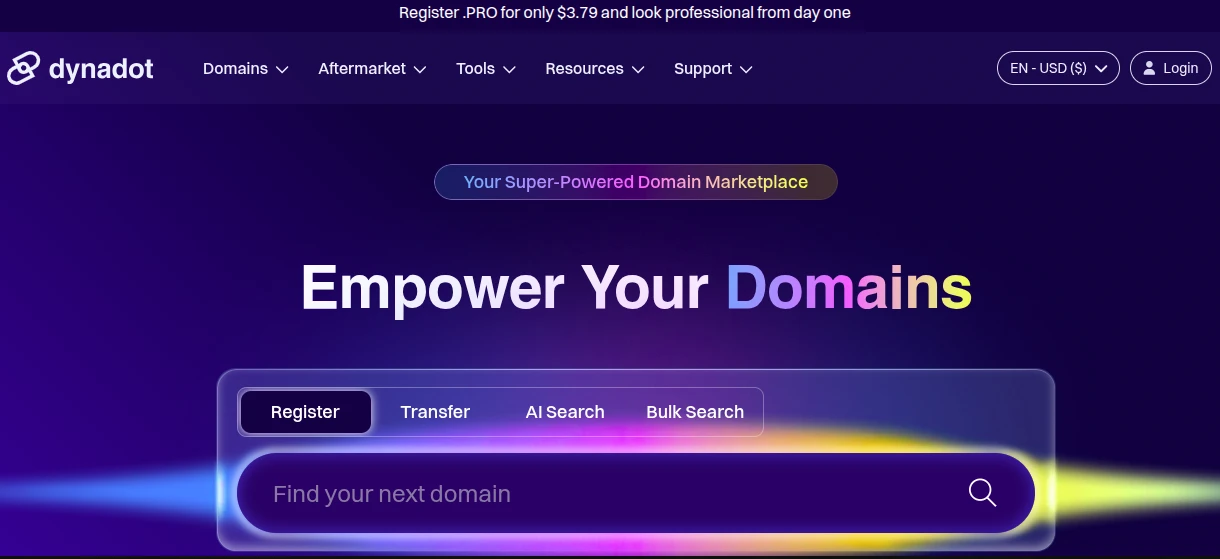
Dynadot Marketplace is operated by Dynadot, a domain registrar. It provides access to domain auctions, expired domains, and aftermarket listings, and it supports bidding alongside other purchasing options. Search and filtering tools help you find domains based on different criteria.
Advantages:
Because a registrar runs it, buyers can search and buy names, and manage them afterwards, in one place.
Limitations:
Auction availability may be narrower than on larger marketplaces, and platform fees and domain transfer requirements still apply. Check how delivery works before you bid.
Best for:
Buyers looking for domain auctions and aftermarket purchasing options through a registrar.
How to Choose the Best Domain Auction Site
No platform suits every buyer. The right choice depends on the kind of domain you want and how much risk and cost you can accept.
1) Consider the Types of Domains Available
Platforms do not all work the same way, so know which type of domain you are after:
- Expired domains have lapsed because the owner did not renew them. Some registrars and platforms auction them during or after the expiration process.
- Pre-release domains are names approaching release after expiration, which some platforms let you bid on or backorder.
- Privately listed domains are offered by their current owners at auction or a fixed price.
- Drop-caught domains are names a service tries to register the moment they are released for general registration.
Also check which extensions are supported, including .com, .net, and country-code extensions such as .ug, and whether the platform offers backordering. Most of all, check that its available names fit your website or business.
2) Compare Auction Fees and Other Costs
Look at membership or account fees, bidding and acquisition charges, buyer premiums, and transaction commissions. Add domain renewal and transfer costs, and any extra fees that apply after you win. The winning bid is rarely the full price, so total the costs before you bid. Do not rely on fee figures from old articles, because platforms change them.
3) Review the Bidding Process
Check the minimum bid and increments, the auction duration, and the closing rules. Find out whether the platform offers automatic or proxy bidding, where the system raises your bid up to a maximum you set. Some platforms extend an auction when bids arrive near the closing time. Note the payment deadline after winning, since missing it can cost you the domain.
4) Check Domain History and Quality
Review previous website content and ownership history, existing backlinks and referring domains, and signs of search engine penalties or spam. Archived copies of old pages, available through the Wayback Machine, show what a site was used for before you bid. Check for trademark conflicts and ask whether the domain has a reputation worth acquiring. The buying steps below walk through how to do this.
5) Evaluate Platform Security and Support
Look at payment protection, ownership verification, and how the domain is transferred or delivered. Check whether customer support is available and how disputes are handled. Policies differ by platform, so read them rather than assuming they match another site.
How to Buy a Domain Through an Auction Site
Step 1: Identify the Domain You Want
Define what the domain is for and what kind of name you need. Search for keywords, brand names, and extensions, then shortlist names that match your goals. Set a maximum budget before you bid, and keep to it.
Step 2: Create an Account on the Auction Platform
Visit your chosen platform and register with accurate contact details. Complete any verification it requires, and read the auction terms and payment requirements. Check which payment methods are accepted and whether you will pay in a foreign currency.
Step 3: Research the Domain Before Bidding
Research is where most buyers protect their money. Check the domain’s registration and expiry information with a WHOIS lookup or ICANN Lookup, which show the registrar, creation date, and expiry date. Some owners hide details behind privacy services, so not everything will show.
Then review the historical content, backlink profile, and previous use. A strong-looking link profile can be made up of spam links, so check who is linking. Look for suspicious activity, and confirm whether the domain is subject to transfer or registration restrictions.
Finally, check for trademark conflicts in the WIPO Global Brand Database and local trademark records.
Step 4: Place Your Bid
Review the current highest bid and the minimum bidding requirements. Enter a bid within your budget, and use automatic bidding if the platform offers it. Monitor the auction before it closes. Do not raise your bid just because other buyers are competing. A hypothetical example: if similar names appear to sell for UGX 400,000 to UGX 700,000, you might cap your bid at UGX 600,000 and stop there. Those numbers are invented for illustration.
Step 5: Complete the Purchase and Domain Transfer
Winning does not mean the domain is yours yet. You still need to pay following the platform’s instructions, and where applicable the seller must approve the sale and the platform must deliver the domain. Confirm the acquisition and ownership details, then complete any required transfer or account push. Read your registrar’s domain transfer rules, since waiting periods and restrictions may apply.
Check that the domain appears in your registrar account, and turn on a domain lock once it does. When you are ready to connect it to your website, update the DNS settings.
Common Mistakes to Avoid When Buying Domains at Auction
- Bidding without researching the domain’s history. A name tied to spam or scams can harm your site. Check archived content and ownership records first.
- Spending more than the domain is worth to your project. Competition can push bids past a sensible price. Set a ceiling and stick to it.
- Ignoring renewal, transfer, and platform fees. The winning bid is only part of the cost. Total everything before you bid.
- Failing to check for trademark conflicts. A conflict can force you to give up a name you paid for. Search trademark databases early.
- Assuming an expired domain automatically has valuable backlinks. Many expired names have weak or spammy links. Review the link profile.
- Overlooking the auction platform’s payment deadlines. Late payment can cancel the sale or bring penalties. Note the deadline and have funds ready.
- Buying a domain without confirming how ownership will be transferred. Unclear delivery steps can delay or block completion. Read the platform’s process first.
- Choosing a domain based only on its age or previous popularity. An old name with a poor reputation is a bad buy. Judge quality, fit, and history together.
FAQs
Can I sell my domain name through a domain auction site?
Yes. Many domain auction platforms let owners list registered domains for sale through auctions or fixed-price listings. The available selling options and requirements depend on the platform.
Do I need to own a domain before listing it for sale?
For most aftermarket listings, yes. You generally need to own or control the domain and complete any required ownership verification. Some platforms also offer separate services for expired or pre-release domains.
Can I lose a domain after winning an auction?
A winning bid does not always guarantee immediate ownership. The transaction may depend on payment completion, seller approval where applicable, and successful domain delivery or transfer. Review the platform’s terms before participating.
Are older domains always more valuable?
No. Domain age alone does not determine value. Name quality, brand potential, search history, backlink quality, existing traffic, and market demand also influence what a domain is worth.
Can I buy a domain auction listing if I live in another country?
Many platforms accept international buyers, although payment methods, account verification, supported extensions, and transfer requirements may vary. Check the platform’s eligibility rules before bidding.
What happens if I do not pay after winning a domain auction?
Failure to pay within the required period may lead to cancellation of the purchase, account restrictions, or other penalties under the platform’s terms. Check the payment deadline and bidding conditions before placing an offer.
Ready to Find the Right Domain Auction Site?
Domain auction sites provide an alternative way to acquire registered domain names that may not be available through ordinary domain registration. Platforms such as GoDaddy Auctions, Sedo, NameJet, DropCatch, and Dynadot Marketplace offer different ways to discover and purchase domains, depending on the type of name you want.
Before choosing a platform, compare its domain selection, auction rules, fees, payment requirements, and transfer procedures. Research each domain carefully, including its ownership history, backlink profile, and potential trademark issues. Set a realistic budget and avoid getting caught up in competitive bidding.
Once you acquire a suitable domain, choose a reliable registrar and hosting provider to manage your domain and establish your website. A good domain name is only the starting point; the right hosting environment and website setup help turn it into a functional online presence.
Ready to build your website? choose a web hosting plan to put your site online.
